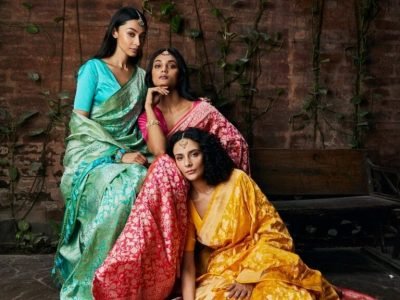
Bridal sarees hold a special place in the hearts of many, not just as garments, but as vessels of culture, emotion, and celebration. They carry with them centuries of traditions, rituals, and symbolism, woven into every thread and shimmer. In every region across India, the bridal saree tells a different story, yet all share a common purpose: to honor the sacredness of marriage and the new journey a bride is about to begin. The saree is both an adornment and a blessing, wrapping the bride in layers of meaning and beauty.
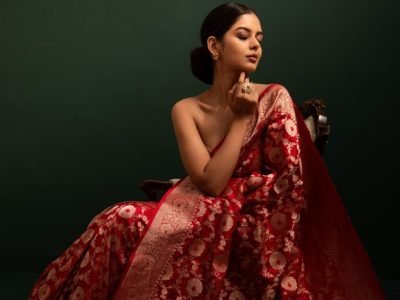
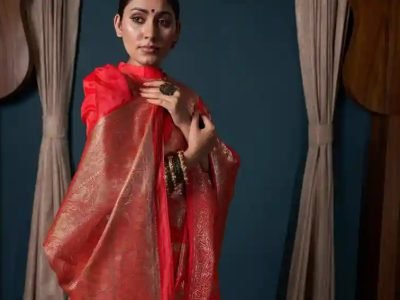
Traditionally, bridal sarees have been rich in color and texture, most famously the vibrant reds and golds that symbolize prosperity, fertility, and auspiciousness. These hues are believed to bring good luck and ward off negativity. In many communities, the bridal saree is carefully chosen to reflect familial heritage and ancestral customs, often passed down through generations as cherished heirlooms. The weaving techniques themselves carry significance, with zari work, embroidery, and embellishments crafted to perfection by skilled artisans who understand the sacred nature of the garment.
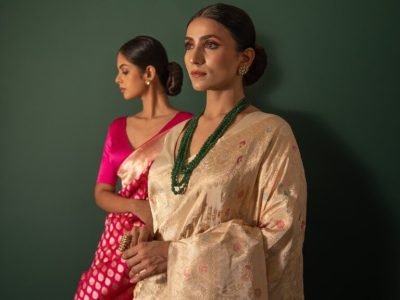
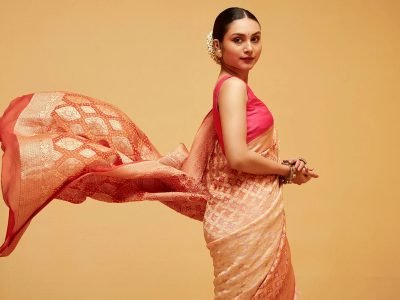
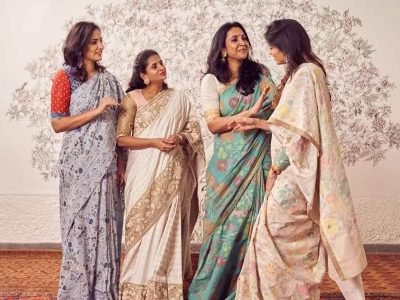
However, bridal saree fashion is never static. While tradition provides the foundation, contemporary brides are increasingly blending classic styles with modern sensibilities. The silhouette might remain the same, but the fabrics, colors, and embellishments evolve. Pastel shades like blush pink, mint green, and soft gold have found their place alongside the traditional crimson, offering brides a fresh palette to express their individuality. Designers experiment with fabrics like organza, chiffon, and lightweight silks to create looks that feel both regal and comfortable, understanding that a bride wants to move and celebrate freely.
The choice of blouse design is another avenue for personalization. From heavily embroidered long sleeves to sleek off-shoulder cuts, the blouse can transform the entire look, adding a contemporary twist to an age-old garment. Some brides opt for statement jewelry to complement their sarees, while others embrace minimalism, letting the saree itself be the star. The versatility of the bridal saree allows every bride to feel uniquely herself on one of the most important days of her life.
Bridal sarees are also deeply connected to rituals beyond just the wedding day. They are often worn during pre-wedding ceremonies like mehendi and haldi, where their colors and fabrics reflect the joyous and vibrant spirit of the festivities. After the wedding, these sarees may be preserved as keepsakes or gifted to close family members, becoming tokens of love and legacy.
Beyond aesthetics, bridal sarees symbolize the bride’s transition—from one phase of life to another, from her family home to her marital home. Draping the saree becomes an act of embracing change, of stepping into new roles with grace and dignity. The saree holds the weight of hopes, blessings, and dreams, and it carries the bride through her day as a source of strength and beauty.
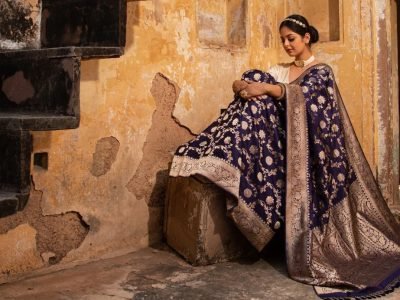
Choosing a bridal saree is thus a journey—one that involves not just fabric and design, but emotions and memories. It is an intimate experience that connects the bride to her culture, her family, and herself. Whether adorned in a heavy Banarasi silk with golden zari or a light, embroidered chiffon that catches the light softly, the bridal saree remains timeless—a garment that turns moments into memories and tradition into personal expression.